Search

Molly Grace James

A Life Well Lived…

Are you a Plastic-holic?

Plastic, it is versatile, cheap, and incredibly convenient. Yet despite being designed to throw away, plastic simply doesn’t go away.

According to the Plasticity Forum:

Each year a staggering 280 million tons of plastic is produced globally.

But estimates are that only 10% is recycled each year.

Capturing this waste stream presents a significant and untapped business opportunity. Innovative redesigns of packaging will lead to responsible use and re-use of plastics.  In the meantime, with many companies using vast amounts of plastic, there are several measures to cut-back on personal use.

Alternatives to:

PLASTIC BAGS:
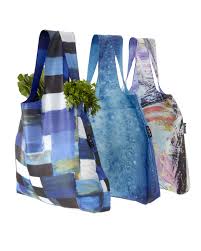
Whole Foods Market phased out the use of plastic bags and is asking consumers to use re-usable bags. Reusable bags come in many fantastic options.  tumi bag
PLASTIC BOTTLES:
Glass is one of the greenest materials on the planet and is 100% recyclable. Plus you don’t have to worry about chemicals from plastic that can leach into liquids. Plus water from glass tastes crisp and fresh. Check out glass bottles with flavor infusers for fresh, naturally flavored water.

flavour-it-glass-water-bottle-fruit-infuser-xl

SERVICEWARE:
While reusable dishware is preferable, we may not always have that option. If that is the case opting for compostable plates, cups and utensils will mean less plastic in landfills and water streams.
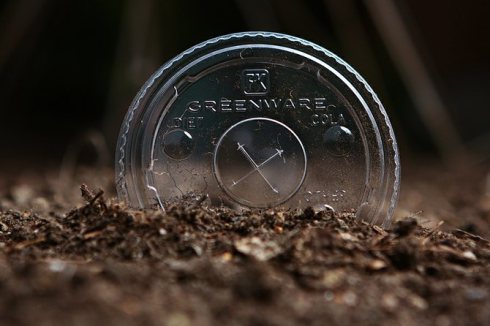
putting-the-lid-on-waste

TAKEAWAY CONTAINERS:
Polystyrene #6 plastics are often non-recyclable and simply end up in landfills. Be smart and bring your own container. Many eco-clamshells are dishwasher and microwavable safe as well.
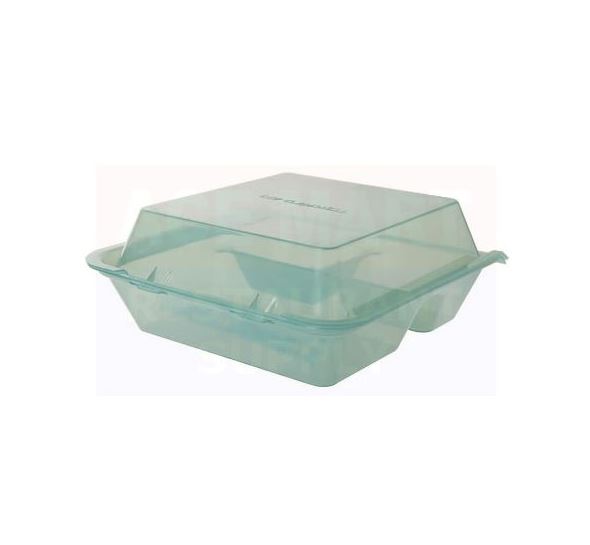
With so many options, it is easy to start making a difference!

Happiness is Cumulative

“One swallow does not make a #summer,
neither does one fine day;
similarly one day or brief time of #happiness does not make a person entirely happy.”

Aristotle, The Nicomachean Ethics

wave

Making the Change

Elizabeth Cline, the author of Over Dressed: The Shockingly High Cost of Cheap Fashion, says the problem has grown dramatically in the wake of global trade agreements, starting with NAFTA in 1994.

In the 1950s and ’60s, almost 100 percent  of clothing in the U.S. was produced domestically. By 1990, that changed to 50 percent. It is now a mere 2 percent.

So now, with ethically-made clothes making up a tiny fraction of 1 percent of the overall $3 trillion global fashion industry, something must change.  It really is a lifestyle choice. Particularly, if you have the ability to select the clothing, it will be more expensive, but the clothes will be better made (and just might make you feel good!)

Fair-Trade-Clothing-scarf

What are your options?

Fortunately, Fair Trade certified clothing is typically only about 5% more expensive than similar items that don’t have the label. I want to feel good about the choices I make, whether it be the food I consume, the products I buy or the clothing I wear. Hopefully, more companies will continue their efforts and more consumers will choose positive clothing options.  I know I will still want stylish, trendy options (not always easy to find):

SHOES:
Sseko Designs uses fashion to provide employment and scholarship opportunities to women pursuing their dreams and overcoming poverty. Their shoes and handbags are stylish and fun, too.

sseko worthy apparel

JEWELRY: Look no further than Connect Goods for fabulous jewelry. They also have a wide variety of clothing and quilts.

jewlery fair trade

CLOTHING:
For men’s and women’s clothing take out Agnes and Lola is an online boutique that sells ethical contemporary fashion from designers across the African Diaspora. 

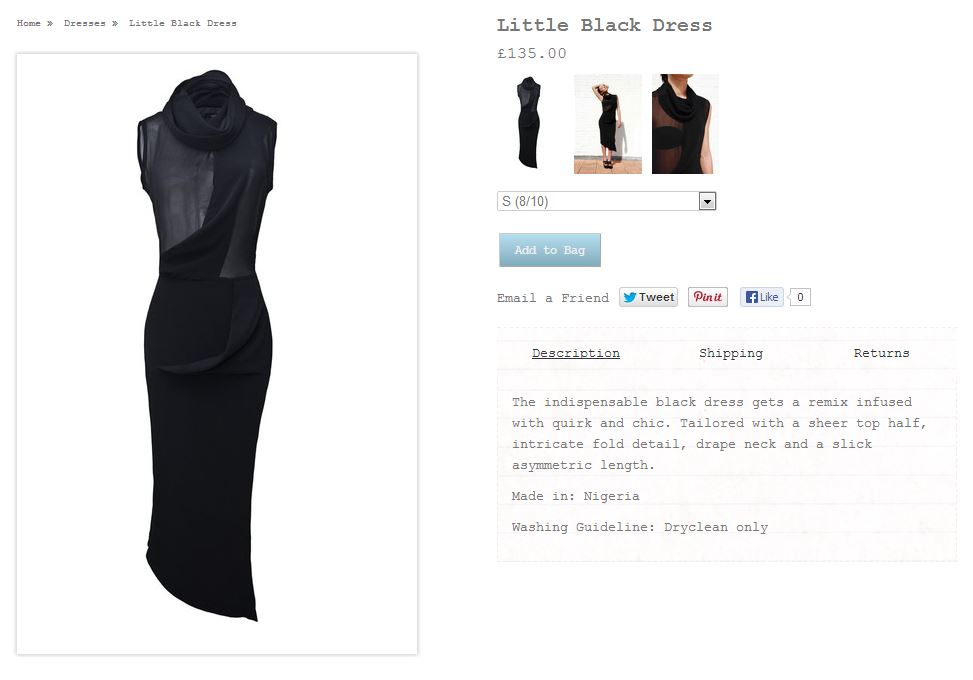
Unique garments for men and women People Tree has been making ethical clothing for more than 20 years.

little black dress ethical

WORKOUT APPAREL:
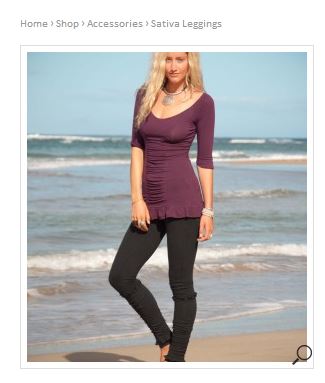
Boho Hemp has great workout clothes for men and women.

ethical sports apparel

With a handful of ethical clothing sources, would you make the switch?

Giving Up Fast Fashion

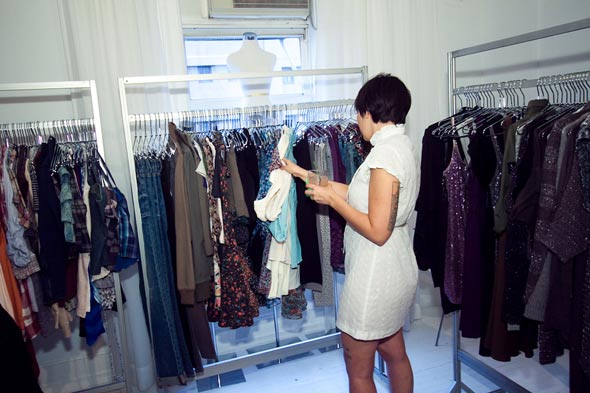
While we know what comes to mind with generally unhealthy “fast food” dining options I was unaware of the harmful world of “fast fashion.”Image

Fast fashion is apparel that is produced quickly, imported from countries like Bangladesh, known for their low cost of production, and is not often made from high quality materials.

Unfortunately such clothing options can be as harmful as processed food.  The collapse of a garment factory in Bangladesh, that produces clothing for international clothing lines, brought global awareness to the problems with cheap clothing. America’s Research Group found that even after this tragedy, shoppers were still more concerned with fit and price as opposed to worker safety and garment quality.

Image

In the wake of the building collapse and with the loss of lives of thousands of workers, many apparel companies including H&M (with large production facilities in Bangladesh) have signed a plan for improved safety standards. Several other retailers are signing on too, including Inditex, owner of the Zara chain and PVH, the parent company of Calvin Klein, Tommy Hilfiger and Izod. This is a start.

Are You Artificially Happy?

Unhappy, There’s a Cure for That…

Artificial Happiness, by Ronald W. Dworkin, M.D., Ph.D., challenges and explores the conventional notions of happiness. What struck me as fascinating was his historical analysis citing: “the medical profession in the 19th century America…saw unhappiness as a normal fact of existence.” Do we now then expect to achieve a perpetual level of happiness? The book takes you through the methodology used to achieve levels of “artificial happiness.” Unhappiness, labeled as a “disease” makes it a treatable problem- able to be remedied by certain practices or medical support.

 Happy Together

Masking Unhappiness

Dworkin proposes that medical professions, and most commonly primary care doctors, use a three pronged approach to eliminating unhappiness (and inducing artificial happiness). The first is through the use of psychotropic drugs, the second through the use of alternative medicine and the third through excessive exercise. None of these are inherently bad, when used appropriately. But the over prescription of medication for mild depression , the engineered approach to using alternative medicine and the overuse of exercise merely mask the symptoms of what is causing the real life internal struggle.

 medication

Grounded and Alive

The author claims that unhappiness is a grounding factor in life and can even spur us on toward a better end. If, for instance, your career is unrewarding or unfulfilling, then having that feeling of needing change could cause you to volunteer or find another more rewarding option.

happy hand

So would you want to be happy?

Or even a better question:  am I comfortable with life’s unhappy moments? Perhaps after reading this book, I am now more aware of the consequences of living a surface life. Real pain and real happiness are just that. They are reactions whether negative or positive to life. And living a full life will require such a journey.

Website Powered by WordPress.com.

Up ↑